
2026 FULL HD REMASTERED
Final Solution
2002
Genre
Action · Drama
Directed by
Cristobal Krusen
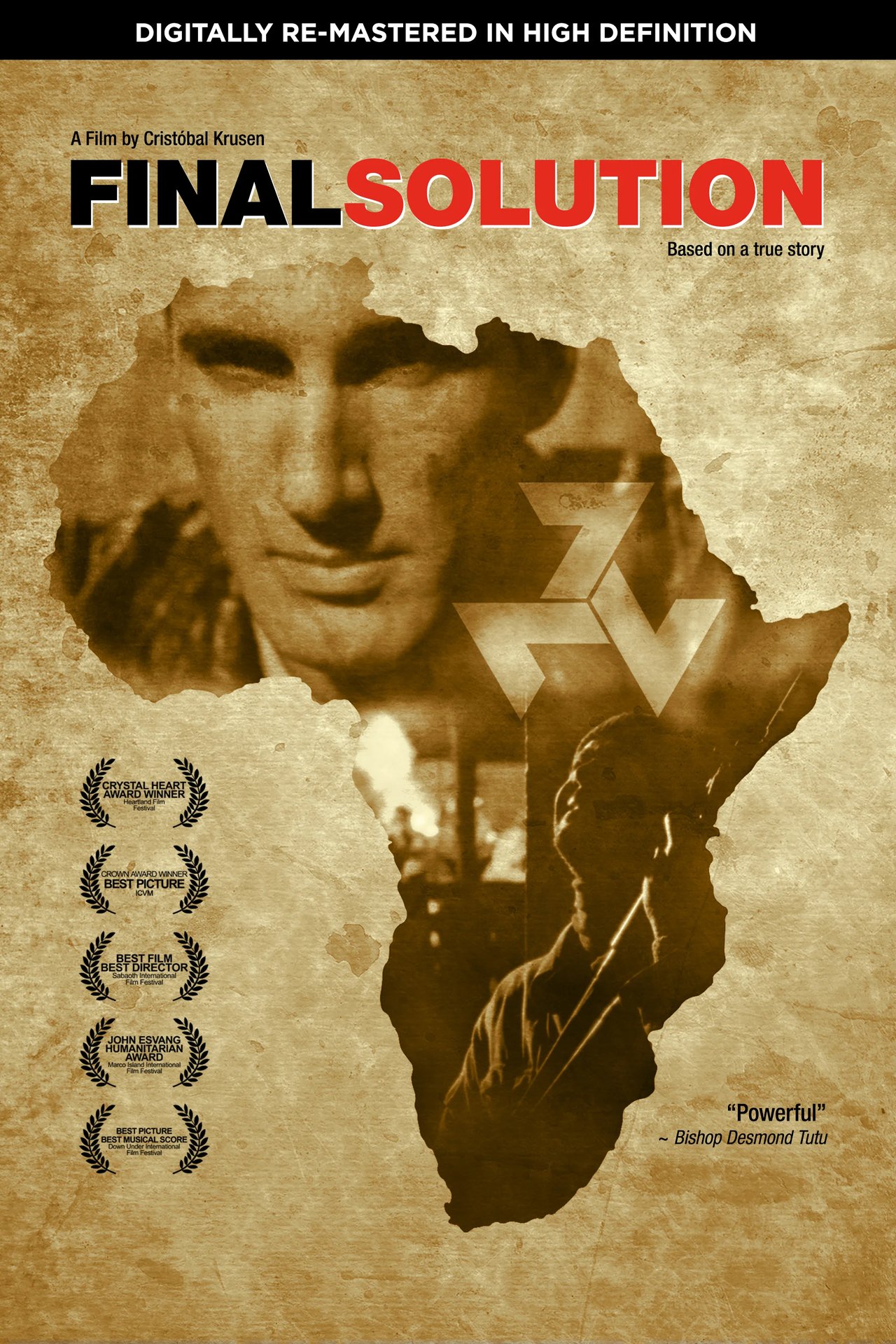
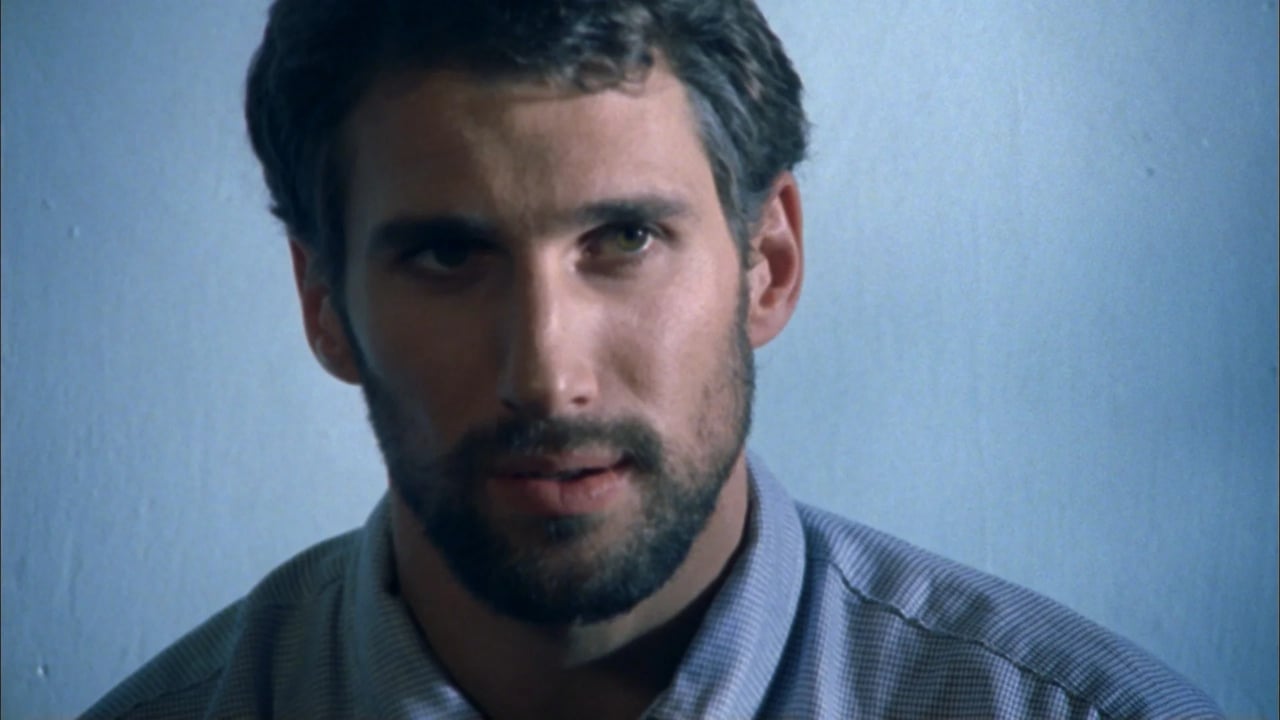
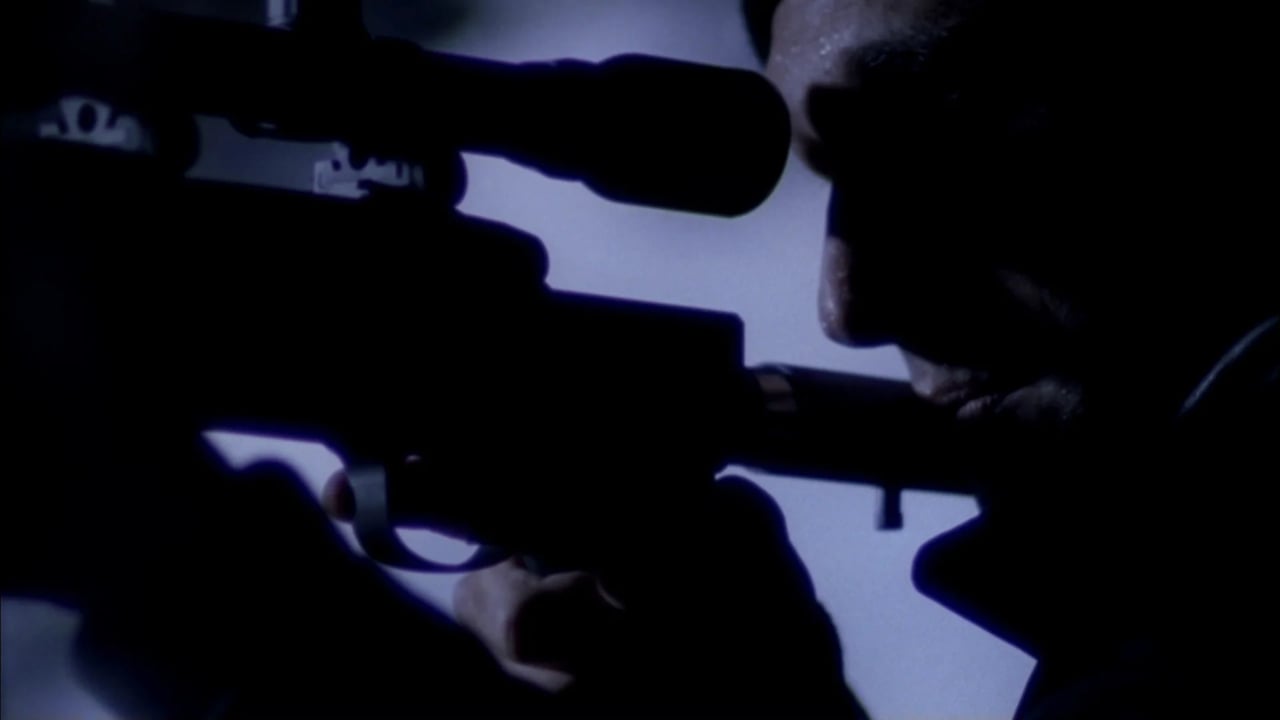
The indoctrination of Gerrit Wolfaardt is complete: his family traditions, history, culture- even his church-have taught him that black South Africans are a cancer in the land. Under the eye of prominent members of the government and military, Gerrit develops a diabolical plan to rid South Africa of its "black danger."
THE TRUE STORY BEHIND THE FILM
Synopsis
Final Solution is not a fictional account. It is drawn directly from the life of Gerrit Wolfaardt, an Afrikaner who was fiercely committed to apartheid — the system of institutionalized racial segregation that stripped Black South Africans of their rights, their land, and their humanity for nearly half a century. Wolfaardt did not merely endorse apartheid from a distance, he embraced its most extreme logic: the idea that Black South Africans posed an existential threat to Afrikaner civilization. That logic, as the film's title makes plain, was directly inspired by Nazi ideology — the same ideology that produced the Holocaust's "Final Solution.”
What people are saying
Voices from our audience
“Final Solution is easily one of the best films to date from a Christian production company.”
Steven D. Greydanus
Decent Films
“my favorite apartheid film”
Edwin Faust
Visual Parables / Read the Spirit
“ChristianWeek gave it "4 out of 4 stars", and Archbishop Desmond Tutu called the film "powerful."”
ChristianWeek
“I was moved and inspired by Cristóbal Krusen’s movie FINAL SOLUTION. His ability as a writer and director is rare and I have no doubt the Lord has many more fruitful years ahead of him. When a filmmaker can engage viewers the way Cris does, lives will be changed.”
Alex Kendrick
Director of Courageous, Facing the Giants, War Room
“A powerful and moving true story about a white supremacist who overcomes his prejudices. One of my favorites.”
unnamed viewer
Rotten Tomatoes
“This is a film not to be missed by peacemakers and lovers of Alan Paton's great novel Cry, the Beloved Country.”
Ed McNulty
Source : Visual Parables
“For his success in adhering to higher standards of art, for his restraint, and for his honesty, I applaud Cristóbal Krusen.”
Jeffrey Overstreet
“Final Solution starts with the best ingredient found in every good story – great characters.”
Paul Boge
ChristianWeek
“terrific”
Ralph Winter
Hollywood producer (X-men)
“Final Solution touched the deepest part of my soul.”
Ken Davis
Popular speaker
Festival Awards & Critical Reception
Action · Drama
Final Solution
Based on the true story of Gerrit Wolfaardt — a white South African who transforms from racist to peacemaker. Starring John Kani (Black Panther).
MAKE IT A GIFT
Offer this film
Delivered instantly by email
Up to 10 recipients per gift.
Gerrit Wolfaardt & Moses Moremi — Real People, Real Transformation
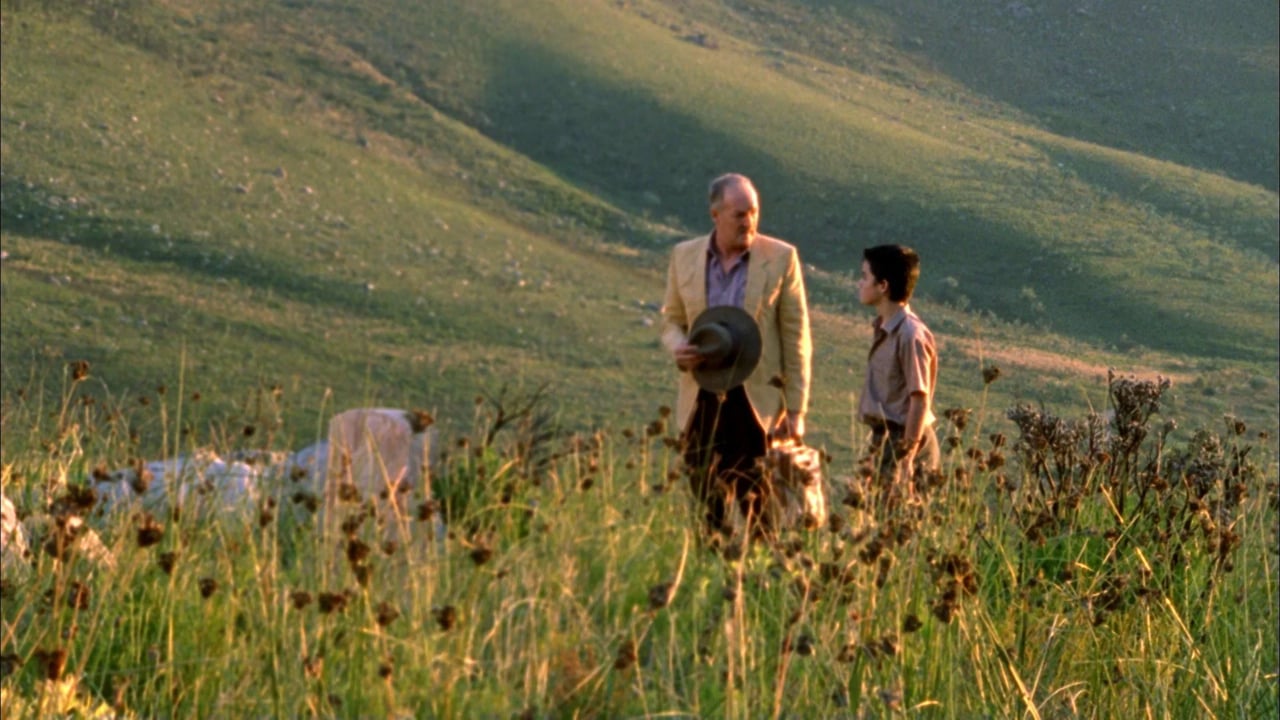
At the center of Final Solution are two men whose lives collided in violence — and eventually arrived, against all probability, at the possibility of peace.
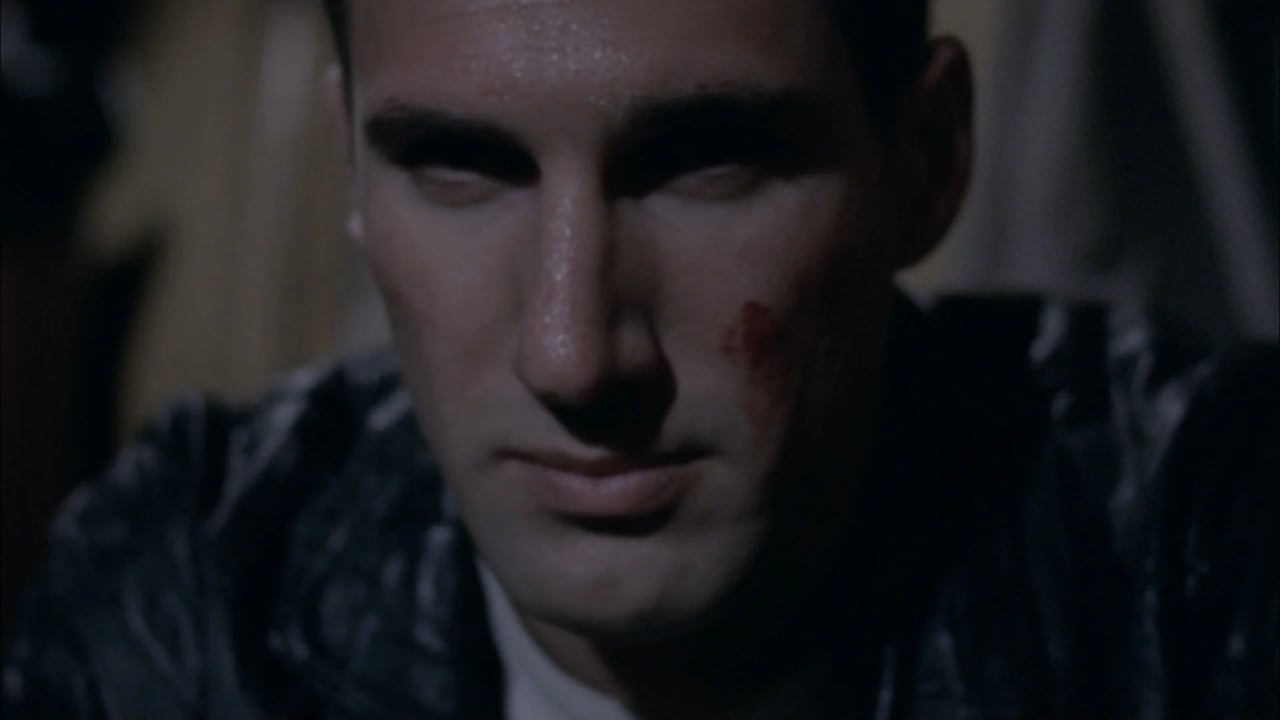
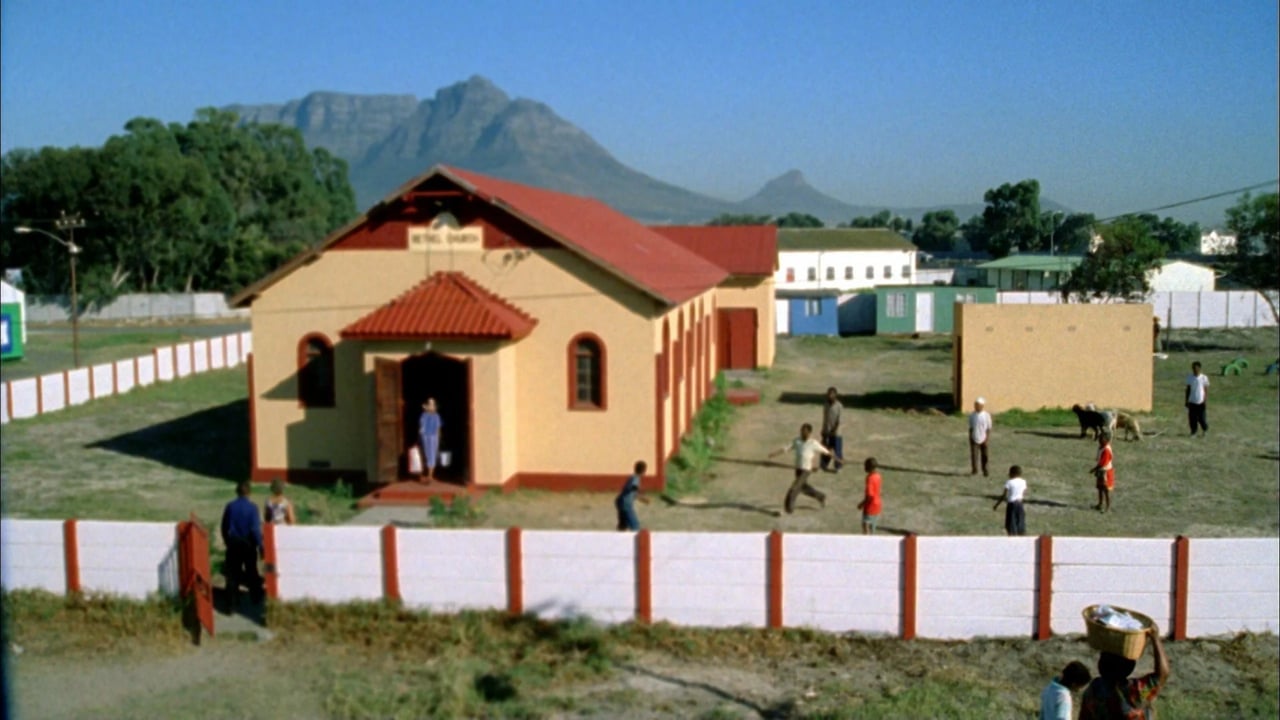
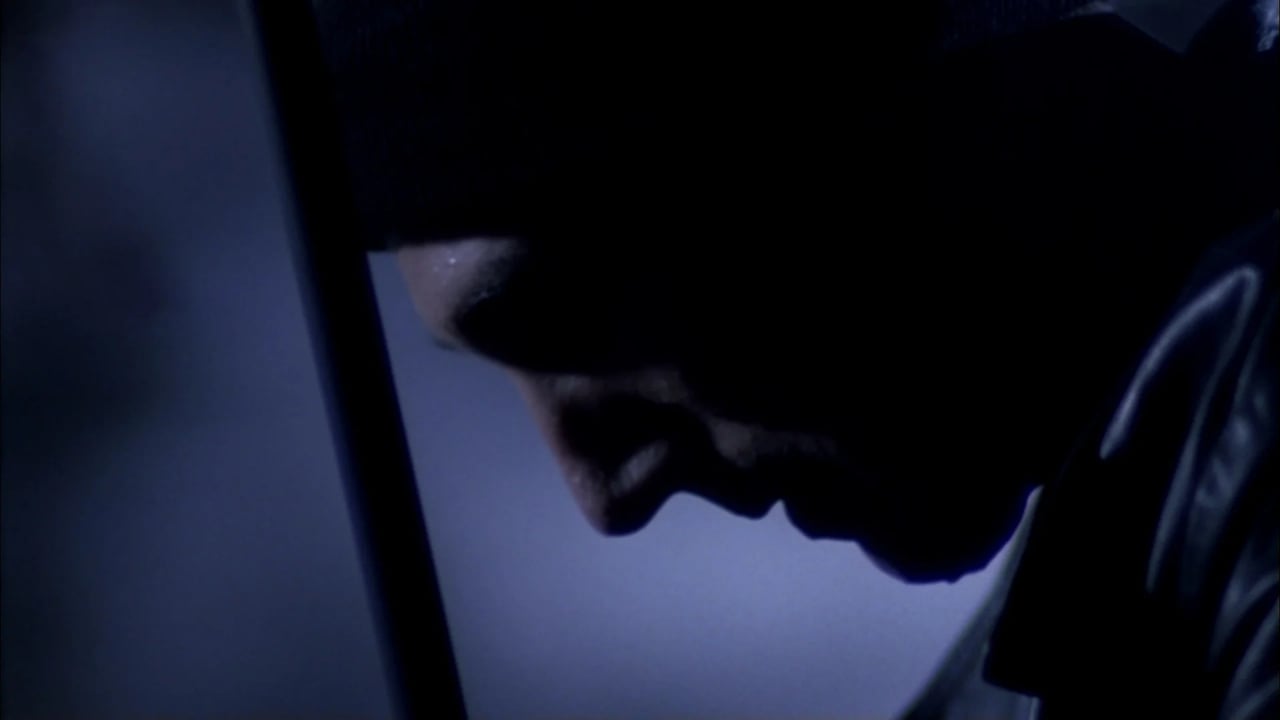
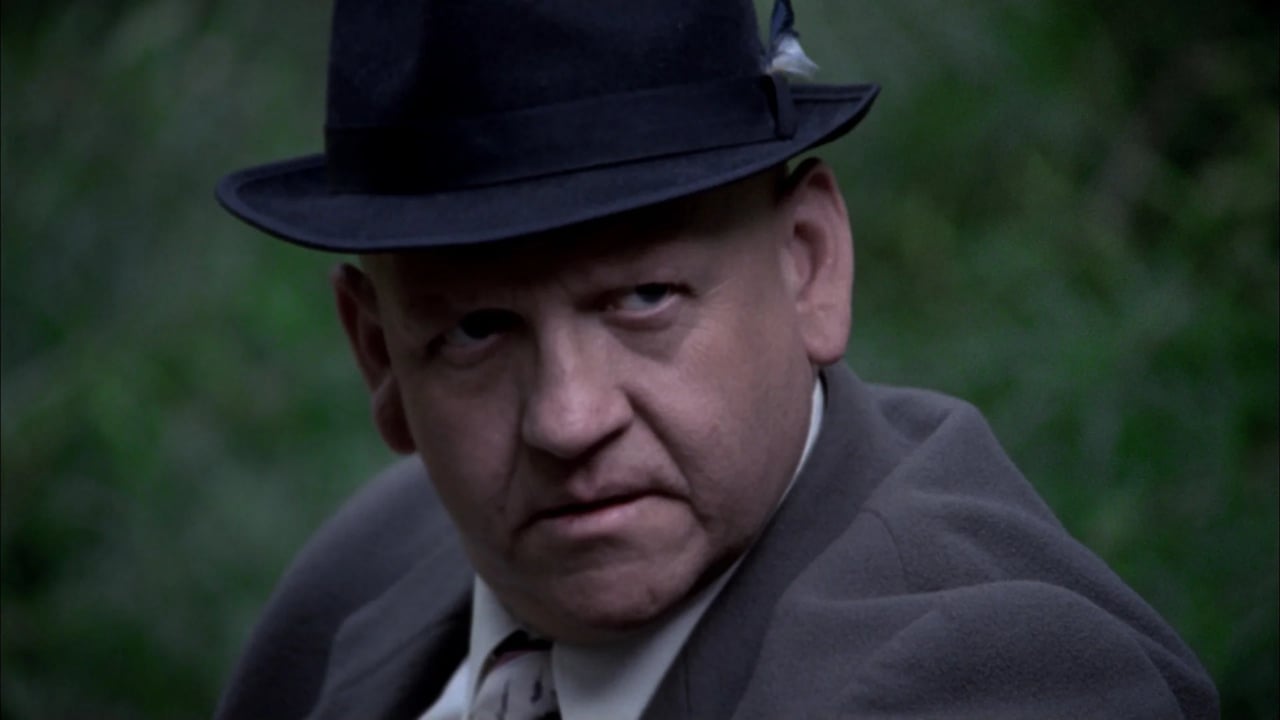
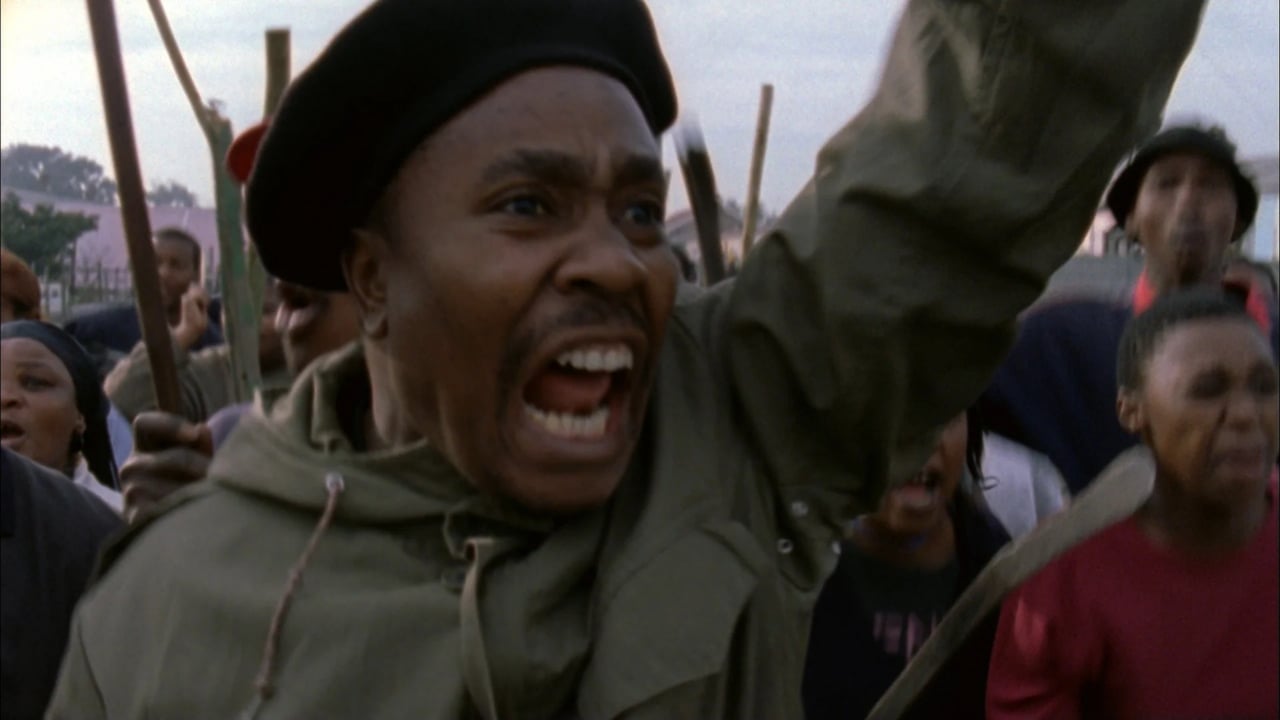
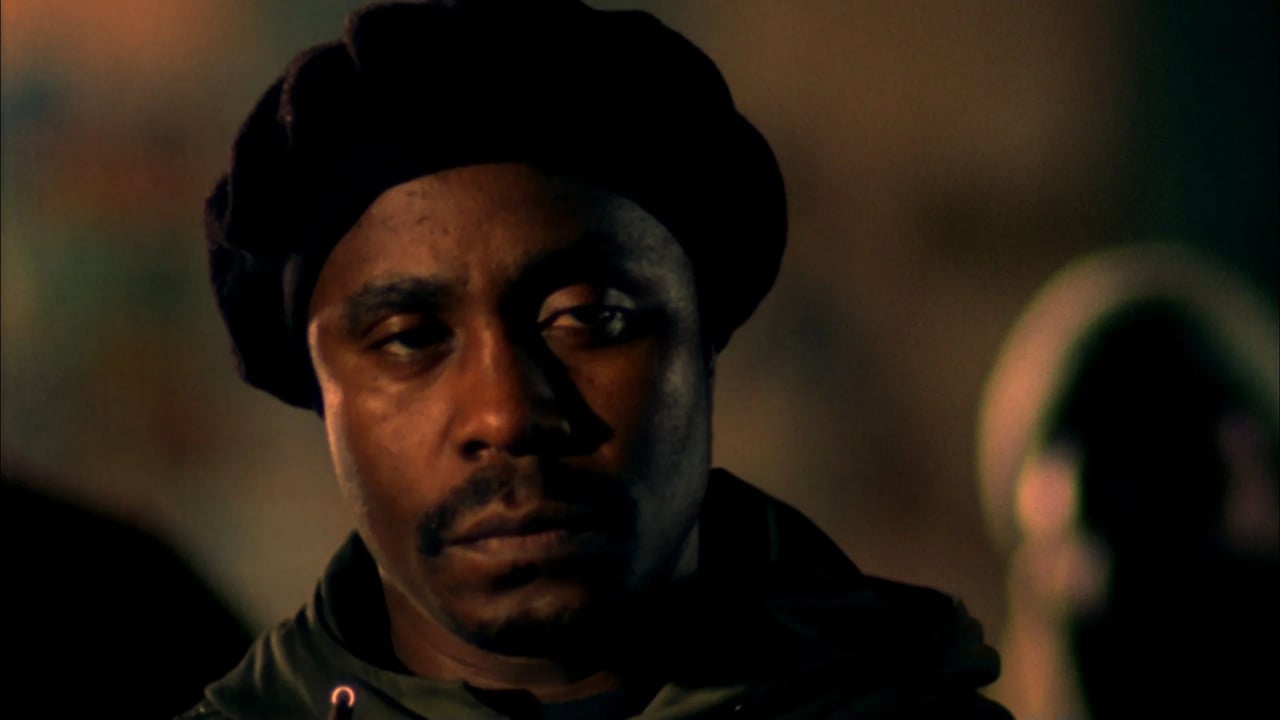
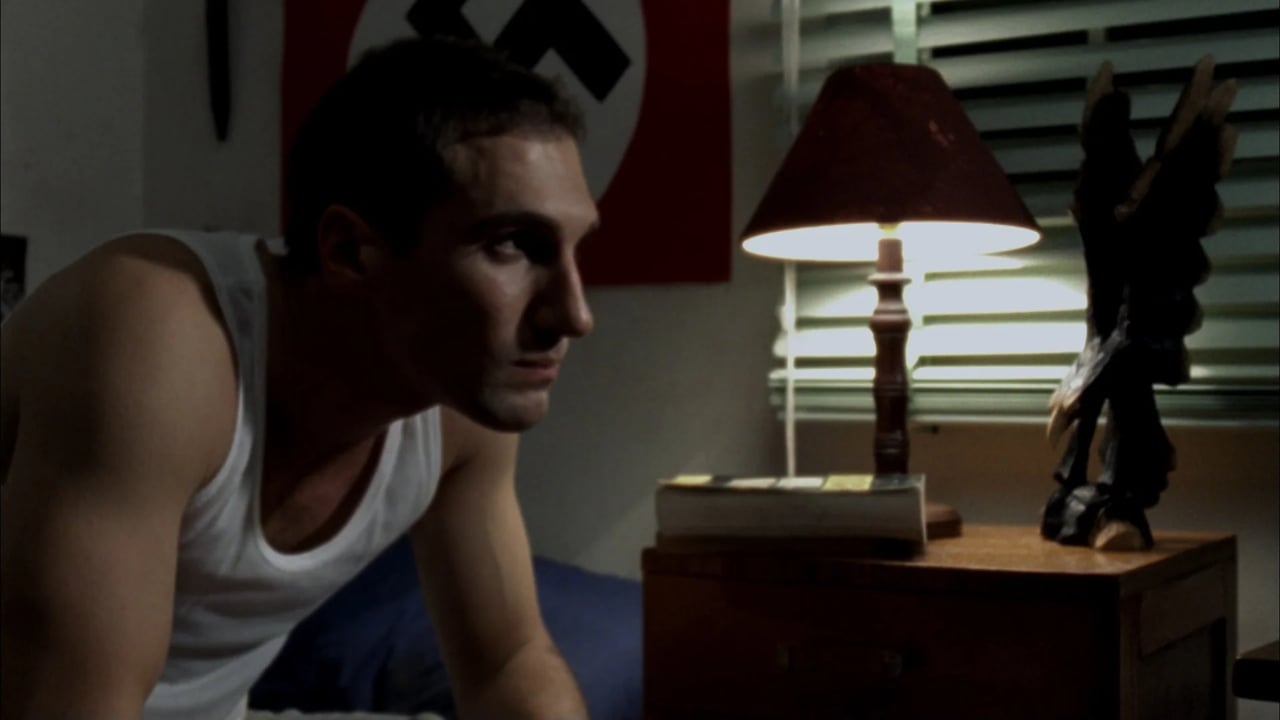
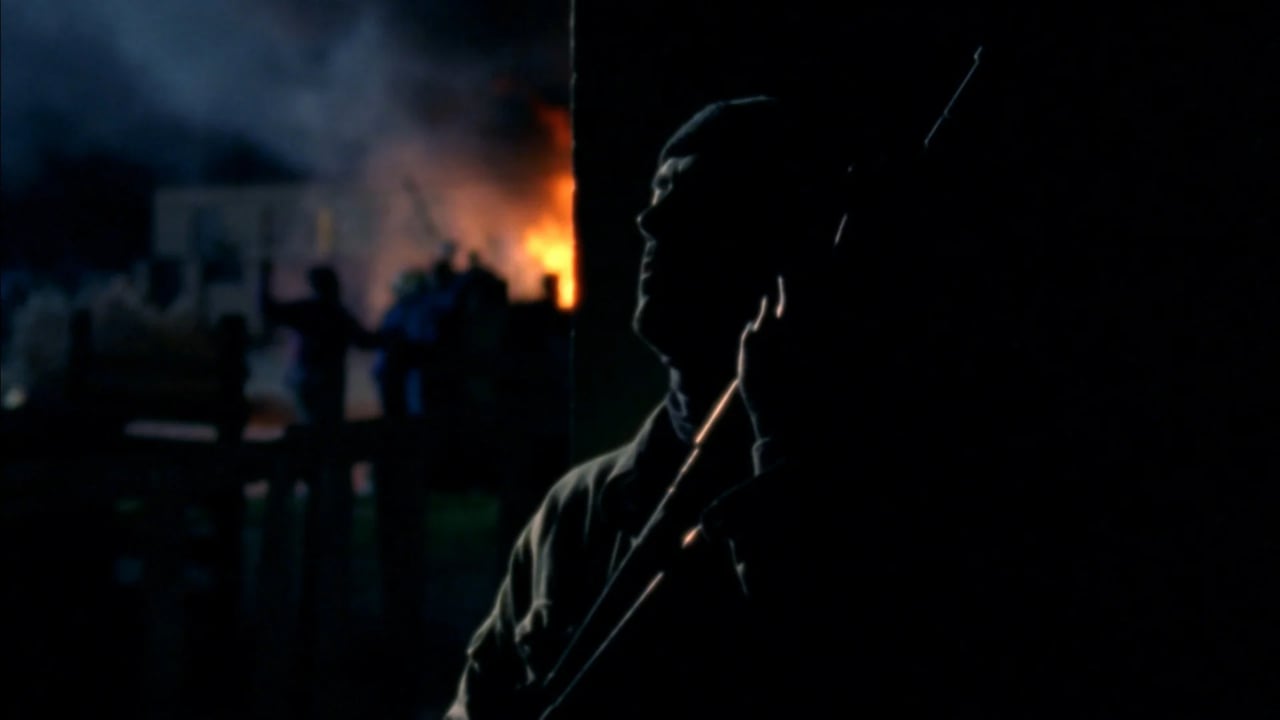
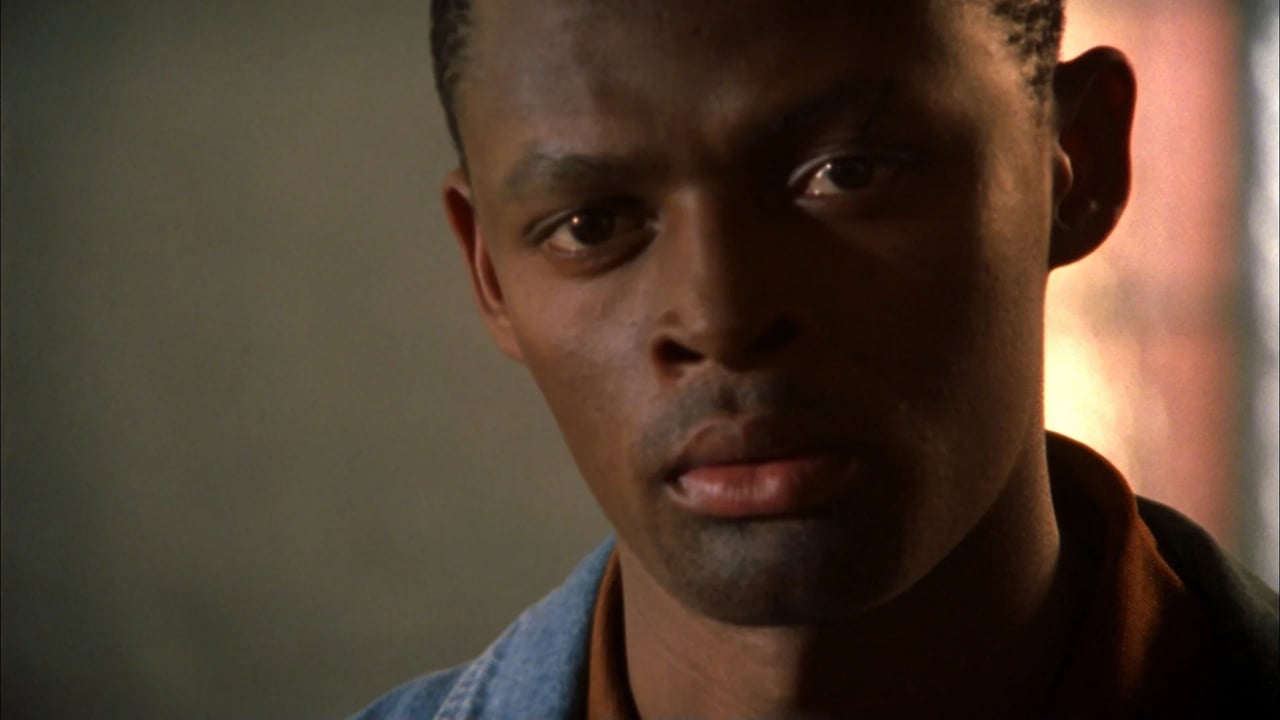
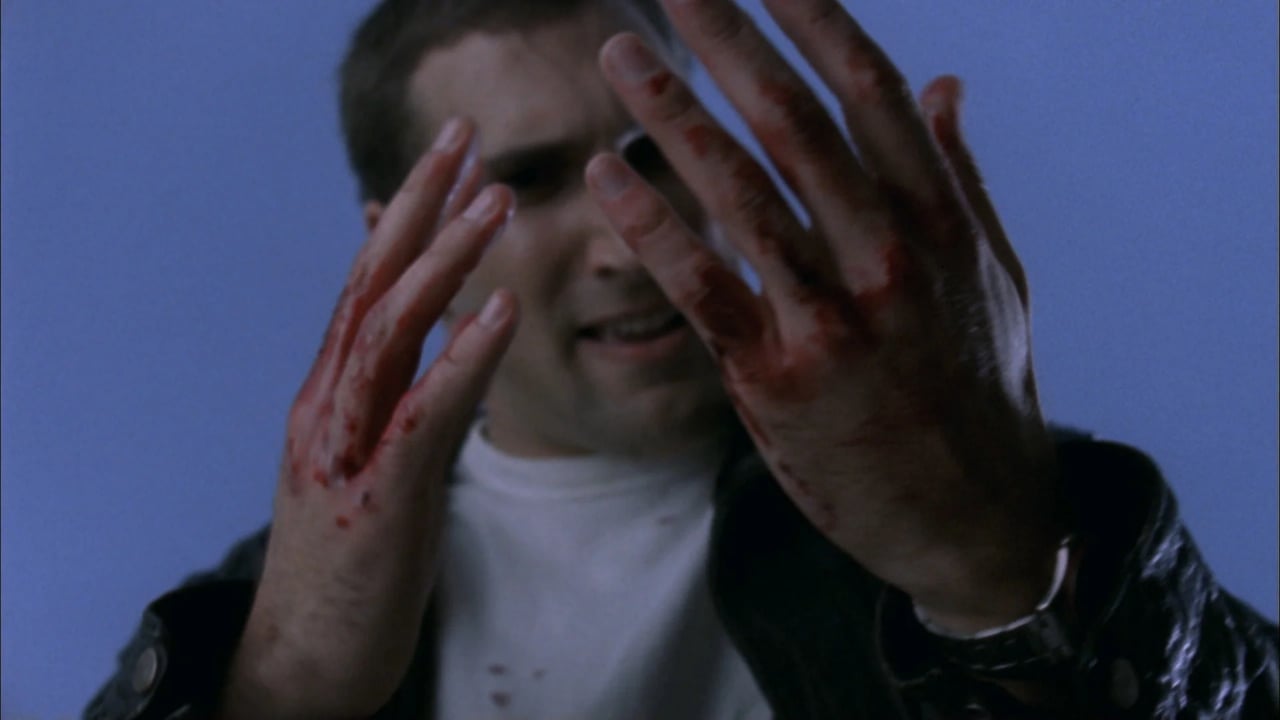
Gerrit Wolfaardt grew up in a world that told him Black South Africans were a danger to be eliminated. His family, his church, and his country reinforced that belief at every level. As a young man, he moved from ideology into organized violence — developing what he called a plan for the "Swart Gevaar" (Black Danger), a scheme explicitly modeled on Nazi extermination logic. Then, slowly and at great personal cost, that worldview collapsed when it collided with actual human beings he could no longer reduce to abstractions.
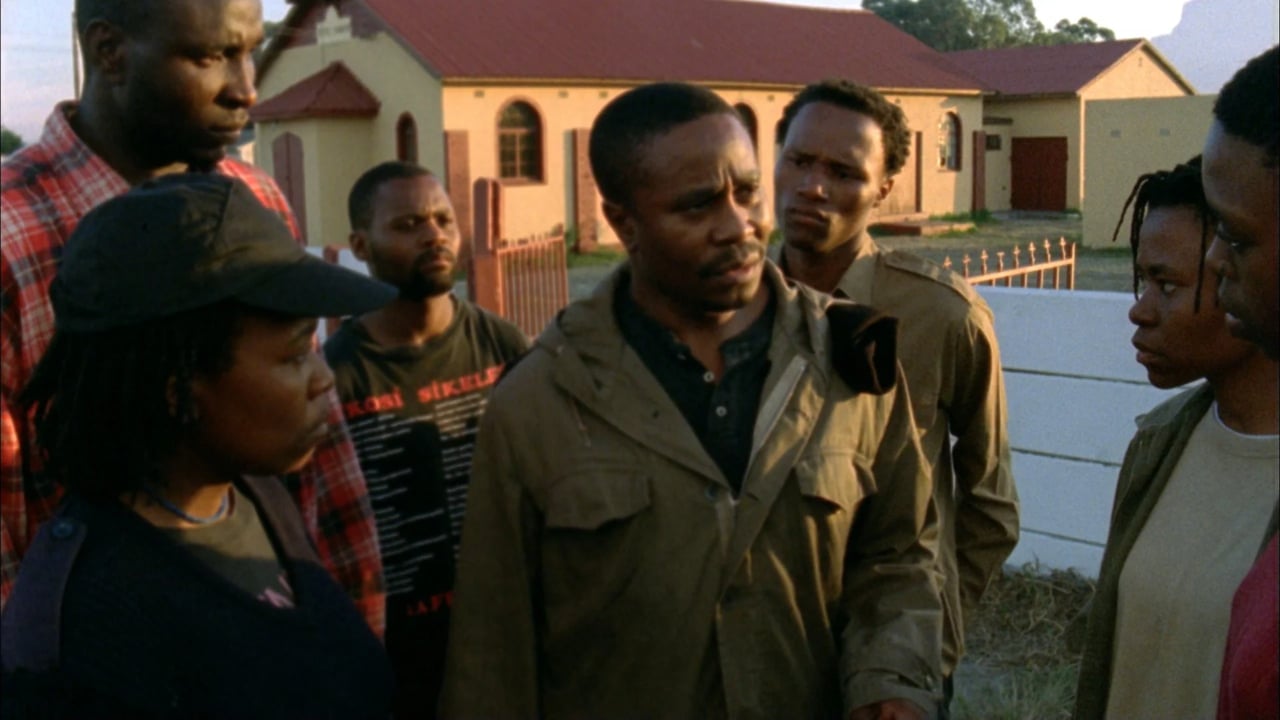
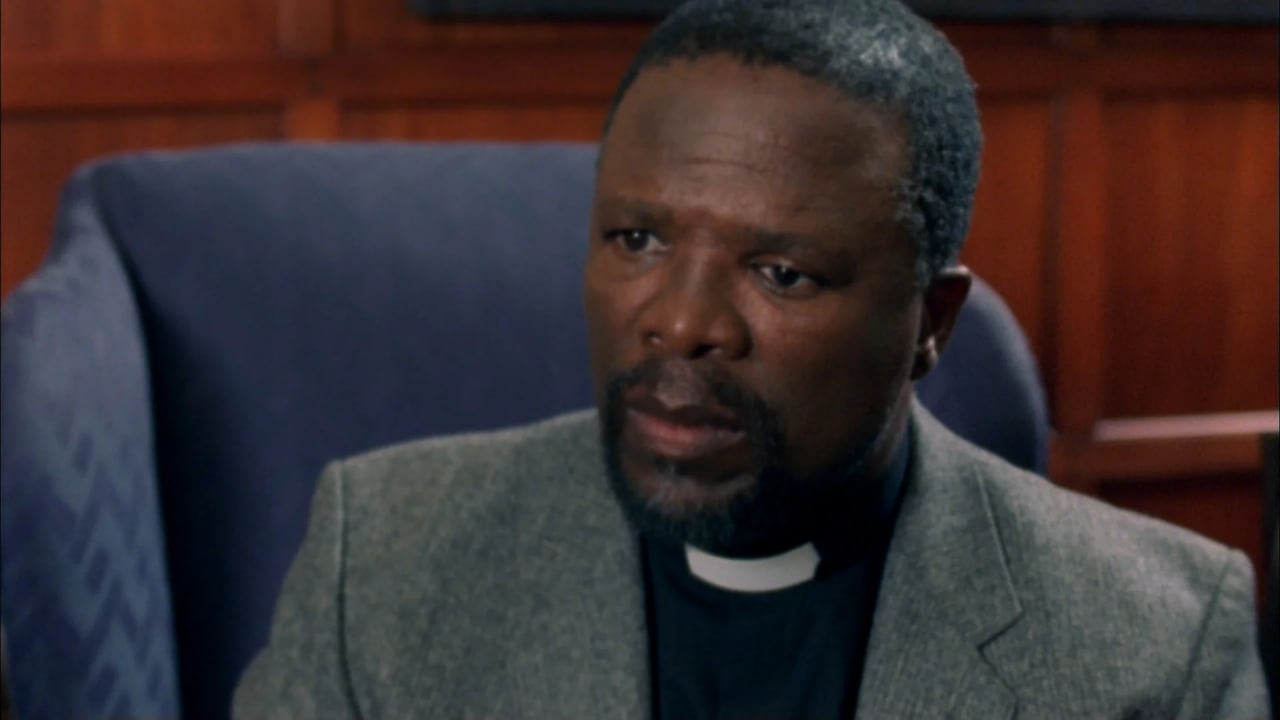
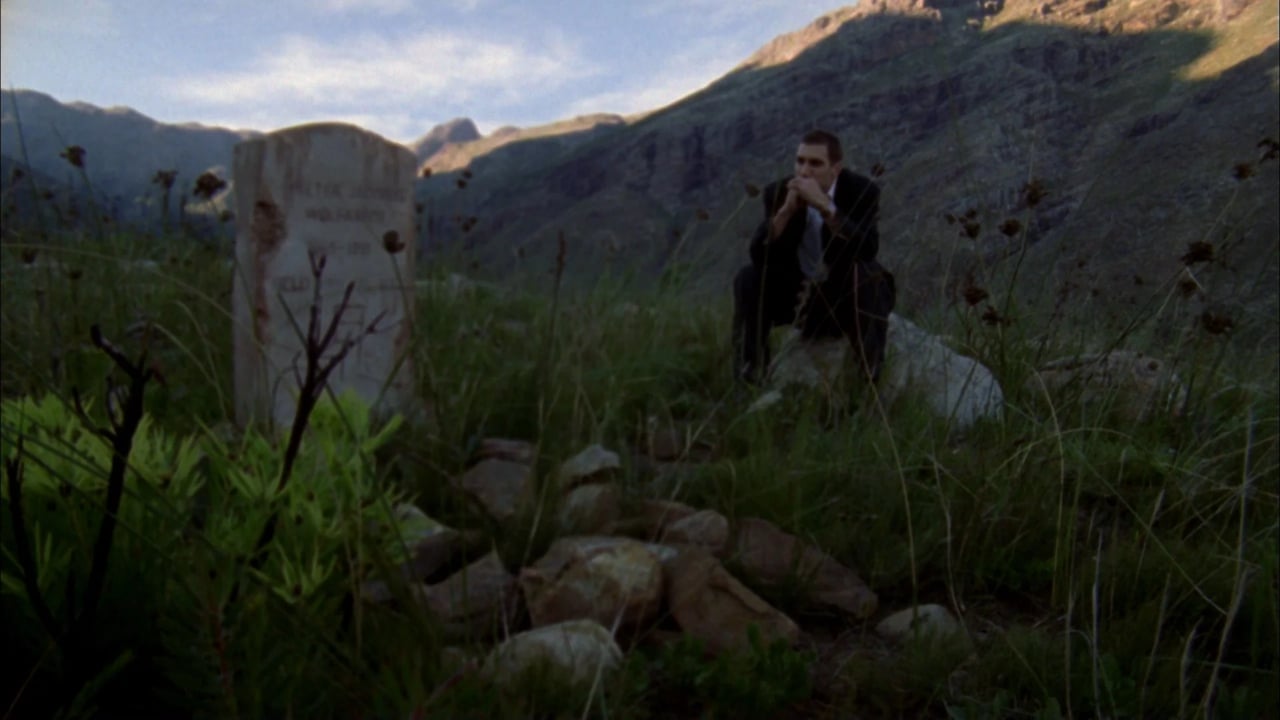
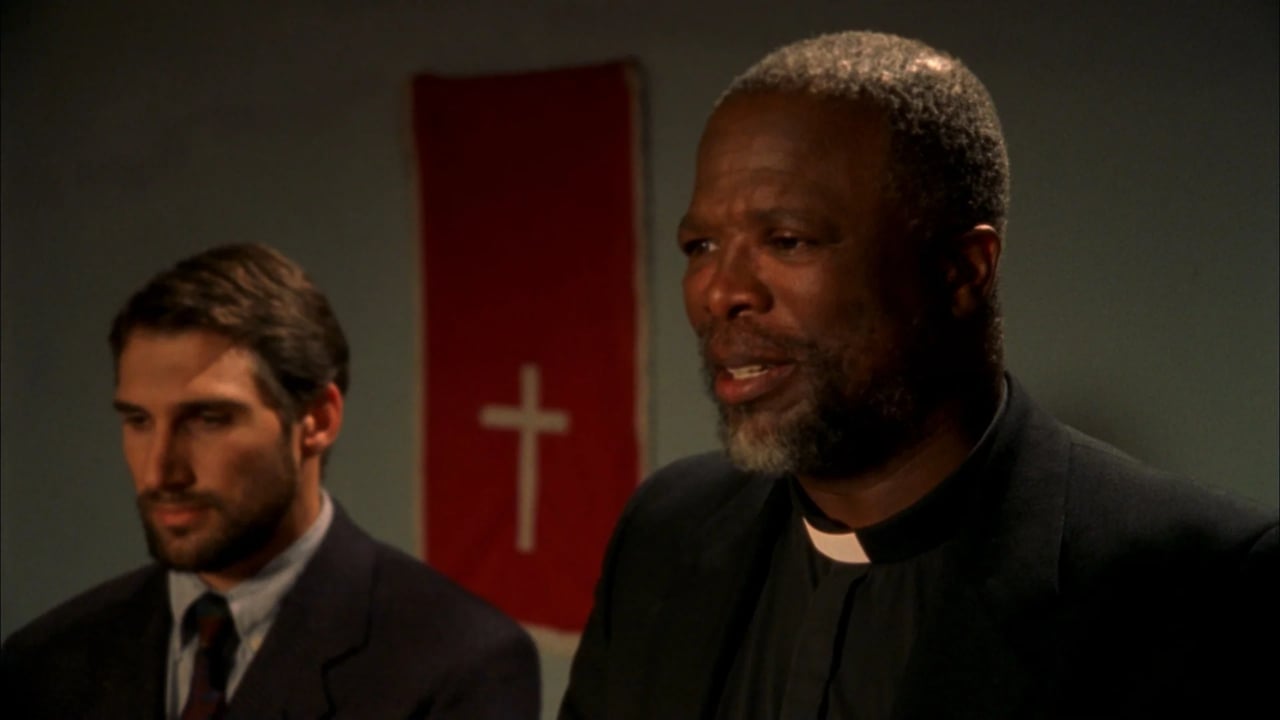
Moses Moremi is the second figure the film follows — and in many ways, its moral center. He is not the perpetrator seeking redemption. He is the man who was attacked, who carries the wound, and who must answer the hardest question the film poses: when the man who hurt you asks for forgiveness, what do you do with that?
Their story together is one of the most striking true accounts to emerge from the end of apartheid — not because it is tidy or comfortable, but precisely because it is not.
Watch Now
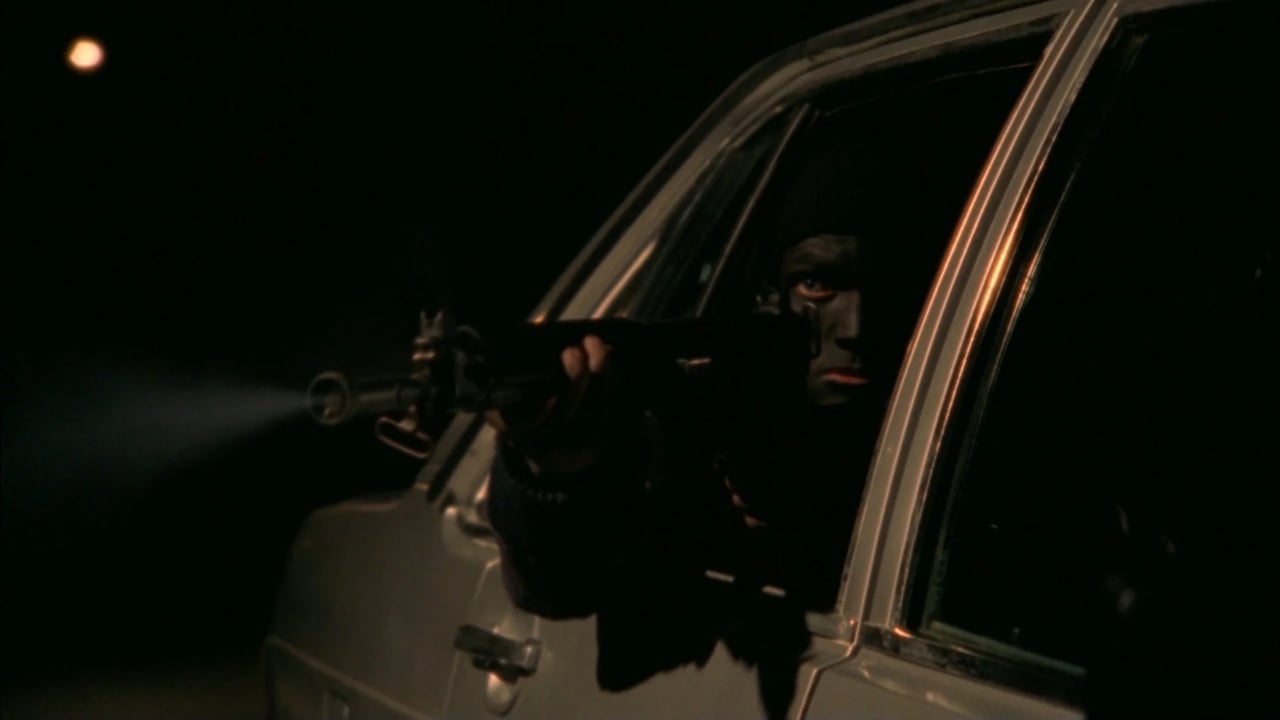
Why This Film Matters Today
Apartheid ended in 1994. The ideology that built it did not disappear.
The radicalization of Gerrit Wolfaardt — through family, religion, community, and cultural identity — follows a pattern that has not become a historical artifact. The process by which ordinary people come to view an entire group as subhuman, and to organize their lives around the elimination of that group, recurs across societies and across generations. Final Solution is not a film about a closed chapter.
What makes it unusual — and demanding — is that it refuses the comfort of simply condemning that process from a distance. It shows radicalization from the inside: how it holds together, how it feels self-evidently true to the person inside it, and what it takes to break it apart. The film follows Wolfaardt's logic with enough honesty that viewers are forced to understand how it works before they can appreciate what shatters it.
The film is equally unsparing about the other side of reconciliation. Moses Moremi did not owe Gerrit Wolfaardt forgiveness. Final Solution does not pretend otherwise. What it shows instead is what it costs to extend forgiveness anyway — and what it costs to withhold it. That question has no easy answer, and the film earns its ending by refusing to manufacture one.
Watch NowCast & Crew
Optional text shown under the heading
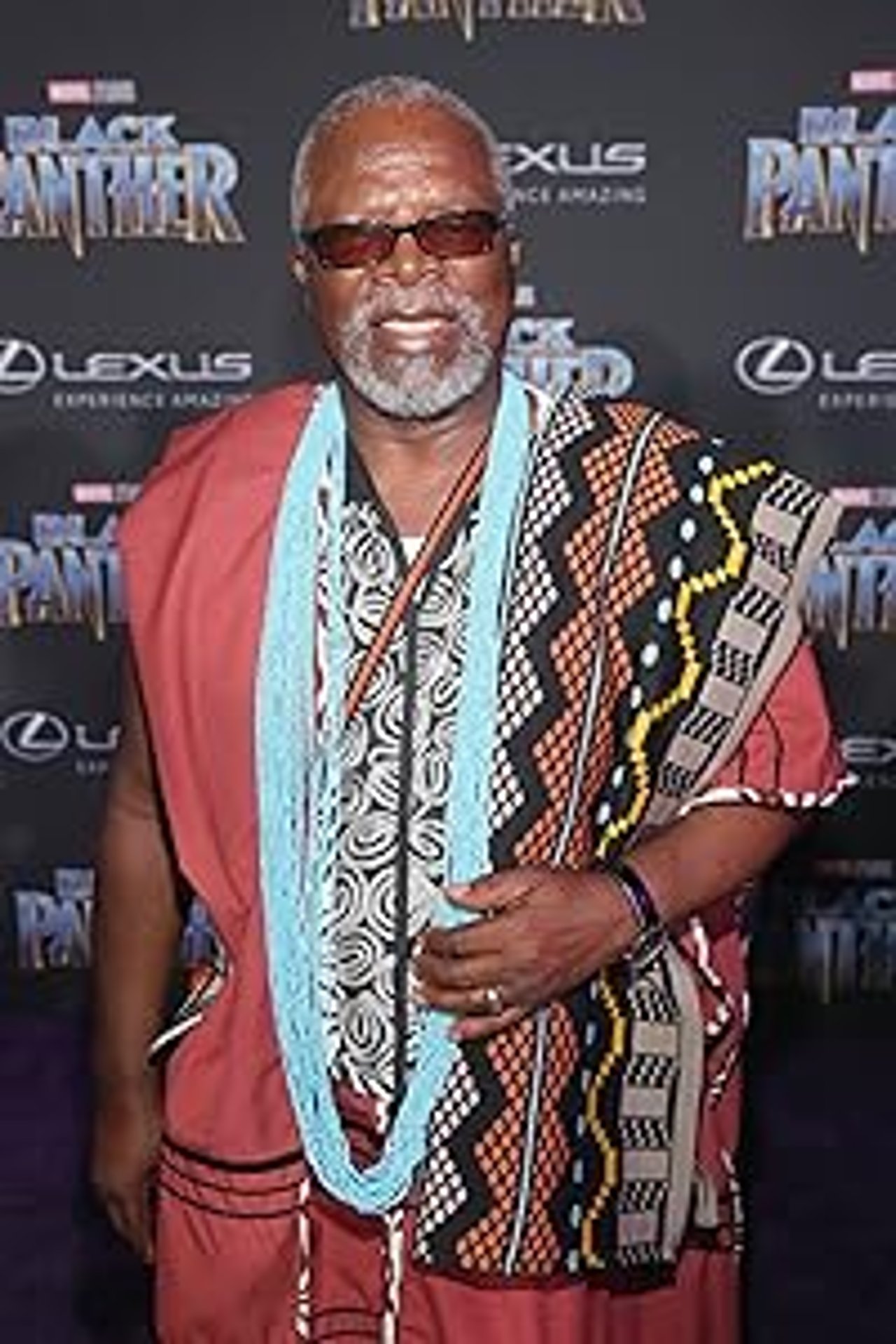
John Kani
Rev. Peter Lekota
Marius Weyers
Gert Wolfaardt

Vusi Kunene
Edward
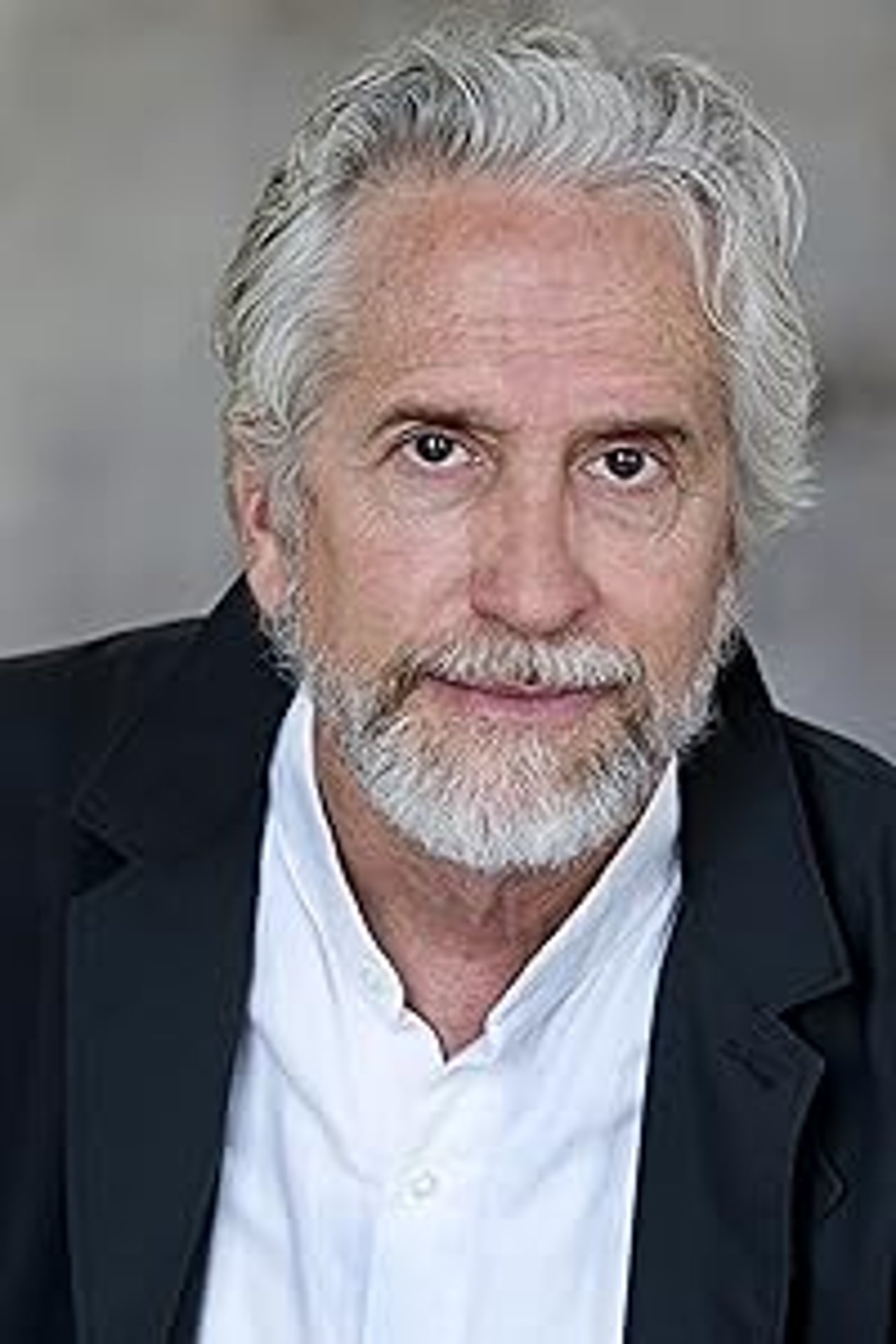
Cristobal Krusen
Director
Cristobal Krusen
Screenwriter
About Director Cristóbal Krusen
Final Solution was written and directed by Cristóbal Krusen, the American filmmaker and founder of Messenger Films.
Krusen studied English Literature at Harvard before earning a BFA in Film and Television from New York University and an MFA in Film from Art Center College of Design in Pasadena, California. He founded Messenger Films in 1988 — a nonprofit production company whose mission is to create "films of beauty, stories of hope" — and has since directed productions in over twenty countries, working across English, Spanish, and other languages.
The idea for Final Solution first came to him in 1988 while filming his debut feature in Mexico. He made his first research trip to South Africa shortly after, then returned multiple times between 1990 and 1994, observing the country's racial crisis firsthand during one of the most volatile periods in its modern history — the years of transition from apartheid to democracy. He was searching for a story that would show radical transformation: not reform or tolerance, but the complete reversal of deep hatred into active love. He found it in Gerrit Wolfaardt.
Final Solution is Krusen's fifth film. It received the Crystal Heart Award at the Heartland Film Festival, the Gold Award at WorldFest Houston, Best Picture at the Sabaoth International Film Festival in Milan, and several other international honors.
Krusen is also the director of Sabina K. (2015), which had its world premiere at the Sarajevo Film Festival and was a finalist for Bosnia's official submission to the Academy Awards, and Let Me Have My Son (2023). All of his films are distributed through Messenger Films.
Rent Final Solution
3-day rentalHD film + Making-of of the film
- HD Movie: Final Solution
- 1 bonus video
Final Solution + Making of
Lifetime access- Final Solution
- 1 bonus video
About Messenger Films
Messenger Films is an international feature film production company founded in 1988 by award-winning screenwriter and director Cristóbal Krusen.
The company uses the universal language of cinema to create films of beauty and hope. Messenger Films is known for achieving high production values at modest budgets, working hand in hand with local crews and acting talent wherever its stories take it.
After a series of Spanish-language productions filmed in Mexico, the company released its first major motion picture, Final Solution, in 2002. In the years since, Krusen has written and directed award-winning films across Asia, Europe, and the United States, including More Than Dreams, First Landing, The Bill Collector, and Undaunted.
In 2014, Messenger Films produced Sabina K., shot on location in Bosnia and Herzegovina. Drawing in part on the writings of the renowned Bosnian poet Mak Dizdar, the film weaves together two spiritual traditions into a heartwarming story of redeeming love — set in a world too often defined by division.
Its films have been seen by millions worldwide.
Discover more from Messenger FilmsRun Time
-
Release Year
2002
Filming Locations
-
Original Audio
English
Studio
Messenger Film
Audio Languages
-
Subtitles
-
Accessibility
-